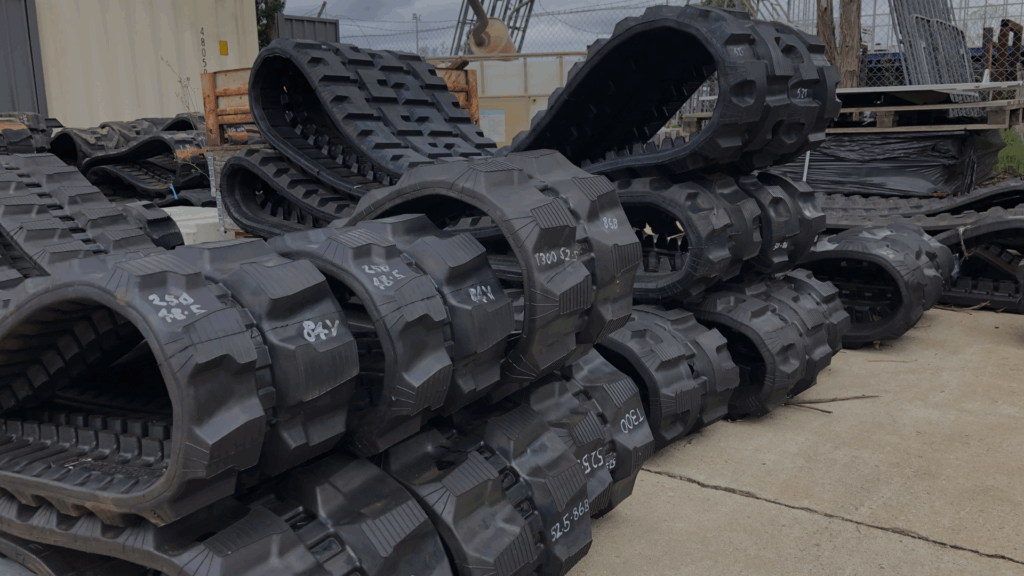
Australian construction sites are no place for fragile components. Between relentless vibration, shifting ground conditions, and long working hours, your machines are constantly put to the test, and every component needs to pull its weight.
Rubber buffers might not be the first part you think of, but they’re doing critical behind-the-scenes work inside your rollers. Positioned within the drum assembly, these components play a crucial role in dampening the force of compaction and reducing the strain on both the operator and the machine. Without them, wear and tear ramps up, downtime becomes more frequent, and performance suffers.
So, what exactly are rubber buffers, and how do they help keep your machines and your margins in good shape?
What are Rubber Buffers?
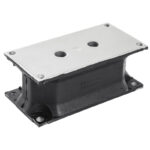
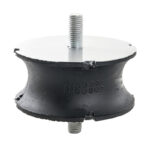
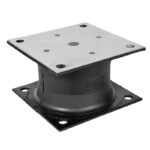
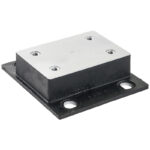
Rubber buffers are internal suspension components found in vibratory and oscillating drums on compactors and rollers, and other hand-operated equipment. Rather than being general shock absorbers across the whole machine, they sit between the drum and the frame, often between the drum/vibration exciter and a spider or mounting bracket and are specifically designed to isolate the intense vibrations generated during dynamic compaction.
Their job is to reduce the transfer of the created vibration forces to the rest of the roller. This protects critical components along with the operator from vibration stress and damage and helps limit vibration exposure to the operator platform.
Think of them like the silent, unsung suspension system for your compactor’s heart, the drum. You might not see them from the outside, but their performance is key to the overall smooth operation of both the machine and the operator.
In most cases, buffers are fixed components designed and suited precisely to the make and model of the machine, meaning there’s no choosing or swapping between types. So, when it comes time to replace them, it’s all about quality, not options.



The Mechanics of Imapct and Vibration Control
On vibratory and oscillating rollers, compaction energy is deliberately generated through the movement of an eccentric weight inside the drum at a weight approximately twice the weight of your machine. This produces powerful, repetitive forces designed to compact material efficiently. But while these forces are vital for your site’s compaction, they’re punishing for the machine without suitable good, good-quality buffers.
That’s where rubber buffers come in. Fitted between the drum and its supporting structure (such as the spider or mounting bracket), buffers act as the machines and operators shock isolation system. Their job is to absorb and dampen the vibratory energy before it can travel into the chassis, hydraulic lines, operator platform, or other structural components.
Technically speaking, buffers provide both damping and isolation. The elasticity of the rubber deforms to absorb energy (reducing peak force transmission), while the internal structure resists high-frequency vibrations that would otherwise cause wear or operator discomfort. The result is a more controlled and isolated system that protects the machine’s integrity and improves performance.
Without buffers, vibration energy would transfer directly through the roller’s frame, leading to:
- Accelerated fatigue in the cab, bolts, welds, and structural joints
- Increased risk of cracks or deformation in surrounding parts
- Discomfort or long-term health effects for operators exposed to continuous vibration
Over time, these forces will compound. Machines without effective buffers suffer from more frequent maintenance, shorter service intervals, and reduced lifespan. Buffers help stop that cycle before it starts absorbing the shock and isolating the impact where it matters most.
Why it Matters: Real World Benefits
When it comes to heavy equipment, it’s the small components that often have the biggest impact, and rubber buffers are no exception. While they might not be the most eye-catching part of your machine, their influence on performance, reliability, and longevity is significant.
A well-functioning buffer may not look impressive on the surface, but its impact is felt across the whole machine via:
- Reduced wear and tear on tracks, frames, and hydraulics
- Optimum operator comfort, especially over long shifts
- Lower noise levels during operation both in and around the machine
- Extended machine life and lower maintenance, fewer unplanned breakdowns
- Consistent performance across high-vibration environments
These benefits aren’t just nice-to-haves, they’re critical to keeping projects on time, budgets in check, and machines where they belong: on the job. If your equipment’s been running without high-quality buffers, there’s a good chance you’ve already paid the price in downtime, repairs, or operator complaints.
Investing in quality buffers is ultimately about long-term gain. It’s a small part that helps protect the big picture: machine performance, crew wellbeing, and your bottom line.
Quality Counts: Not all Rubber is Equal
Let’s be real, not all rubber is made for the conditions Australian construction sites throw at it. Between the heat, the dust, and the relentless pressure of day-in, day-out operation, low-cost materials often just don’t hold up. They might seem fine at first, but under real load and stress, they tend to degrade fast.
Once a buffer cracks, loses shape, goes brittle, or starts to tear, it’s basically just dead weight. That’s why quality counts.
Trackpads Australia supplies OEM-quality rubber buffers made to handle the hard stuff. We’re talking high-grade compounds, tight tolerances, and resilience tested in real-world conditions. Better resistance to tearing. Better heat tolerance. And better performance when it matters most.
Bottom line: the right-quality buffer doesn’t just do the job; it keeps doing it long after the knockoffs have failed.
Real World Analogy: It's All About Suspension
Still not convinced? Think about the suspension in your ute. Imagine taking on corrugated roads or potholes without it, every bump rattles your bones, throws off your steering, and wears out components faster than you’d expect. That’s essentially what may happen to a compactors drum and frame without proper rubber buffers. The shock and vibration have nowhere to go but into the frame, and ultimately, into higher maintenance costs.
That same principle applies inside the drum of your vibratory roller. Whether it’s tackling compacted fill or navigating tight urban sites, the energy generated during compaction is immense. Without rubber buffers to dampen and isolate that force, the vibration travels straight into the frame, amplifying wear, shortening component life, and increasing maintenance. It’s not just a comfort issue; it’s a performance and cost one too.
Time for a Replacement?
Like tyres, filters, or cutting edges, buffers wear out. And once they do, they can’t do their job properly. Cracks, flattened rubber, broken bolts, or general squishiness are all signs that it might be time to swap them out.
Since buffers are model-specific, there’s no guesswork in choosing the fit. The real decision is this: go with a high-quality part built to last, or risk repeat failures with a cheap stand-in.
Need Help Finding the Right Rubber Parts for your Machine
Visit trackpadsaustralia.com.au or contact our team on 1300 669 294; we’re here to make sure what you’ve got keeps working harder, longer.